
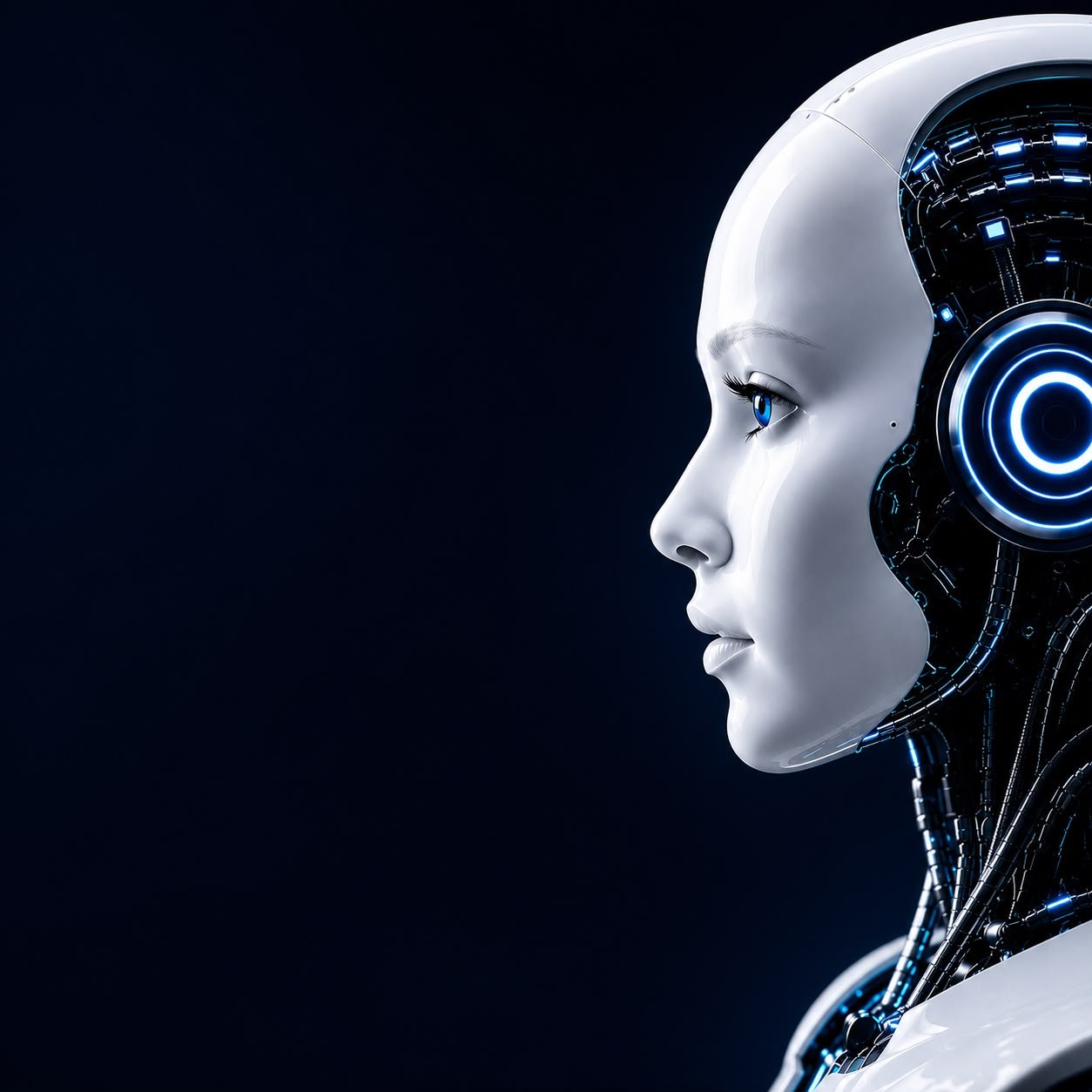
What is Artificial Intelligence? Artificial Intelligence (AI) is a branch of computer science that enables machines to perform tasks that normally require human intelligence.Artificial Intelligence (AI) is changing the way we live, work, and communicate. From smartphones and virtual assistants to self-driving cars and advanced healthcare systems, AI is becoming a part of everyday life. In this guide, you’ll learn what Artificial Intelligence is, how it works, its benefits, challenges, and why it will shape the future in 2026 and beyond.What Is Artificial Intelligence
What Is Artificial Intelligence (AI)?
Artificial Intelligence (AI) is a branch of computer science that enables machines to perform tasks that usually require human intelligence. These tasks include learning, reasoning, problem-solving, understanding language, recognizing images, and making decisions. AI uses algorithms and data to improve its performance over time, making it one of the most powerful technologies shaping the future.
Types of Artificial Intelligence
Artificial Intelligence can be divided into different categories based on its capabilities and functionality. The most common types include Narrow AI, General AI, and Super AI. Today, most AI applications such as ChatGPT, Google Assistant, and recommendation systems are examples of Narrow AI because they are designed for specific tasks.
Narrow AI (Weak AI)
Narrow AI is designed to perform a single task or a limited set of tasks. Examples include voice assistants, chatbots, recommendation engines, and facial recognition systems.
General AI
General AI refers to a machine that can understand, learn, and perform any intellectual task that a human can do. This technology is still under research and has not yet been achieved.
Super AI
Super AI is a theoretical concept where machines become more intelligent than humans in every field. It remains a future possibility and is widely discussed in AI research.
Benefits of Artificial Intelligence
Artificial Intelligence offers many benefits across different industries. It helps businesses automate repetitive tasks, improve decision-making, enhance customer service, and increase productivity. AI is transforming healthcare, education, finance, transportation, and many other sectors by making processes faster and more accurate.
- Automates repetitive tasks
- Improves accuracy and efficiency
- Saves time and reduces costs
- Enhances customer experience
- Supports better decision-making
- Drives innovation across industries
Challenges of Artificial Intelligence
Despite its many advantages, Artificial Intelligence also comes with several challenges. Concerns about privacy, job displacement, bias in AI systems, and ethical decision-making continue to grow. Governments and technology companies are working to develop responsible AI that is safe, transparent, and beneficial for everyone.
- Data privacy concerns
- Job displacement through automation
- Bias in AI algorithms
- High development costs
- Ethical and legal issues
- Security risks
The Future of Artificial Intelligence
The future of Artificial Intelligence looks incredibly promising. AI is expected to transform industries such as healthcare, education, finance, transportation, and scientific research. As AI technology continues to evolve, it will become more intelligent, efficient, and integrated into our daily lives. Responsible development and ethical use of AI will play a key role in shaping its future.
Frequently Asked Questions (FAQ)
What Is Artificial Intelligence
What is Artificial Intelligence?
Artificial Intelligence is a technology that enables machines to perform tasks that normally require human intelligence.
What are the main types of AI?
The main types are Narrow AI, General AI, and Super AI.
Is AI replacing human jobs?
AI automates some jobs but also creates new career opportunities in technology and other industries.
Where is AI used today?
AI is used in healthcare, education, banking, e-commerce, smartphones, transportation, and cybersecurity.
Conclusion
Artificial Intelligence is one of the most transformative technologies of the modern world. Understanding its benefits, challenges, and future potential is essential for everyone. As AI continues to evolve, it will create new opportunities while also requiring responsible and ethical development.What Is Artificial Intelligence
Learn more about Artificial Intelligence from Google AI: https://ai.google
Explore more AI articles on MindPixel AI.